What to Look for in Elopement Photography Services
When my partner and I decided to elope, we thought the photography part would be simple. Fewer guests, less planning, shorter timeline - how hard could it be? We were wrong. The day itself was intimate and perfect, but the photos fell flat. They looked like snapshots from a family reunion, not the quiet, meaningful story we had lived. That experience taught me something important: eloping well means choosing the right photographer, and elopement photography services are not the same as wedding coverage scaled down. They are a completely different approach.
I have spent the past several years talking with couples, attending elopements as a guest, and working alongside photographers who specialise in these smaller ceremonies. What I have learned is that the best images come from a photographer who understands the mindset of elopement, not just the logistics. If you are planning an elopement, here is what you should actually look for when you evaluate elopement photography services.
Understanding the different pace
A traditional wedding day runs on a tight schedule. The photographer follows a timeline: getting ready, first look, ceremony, family formals, reception. Everything is predictable. Elopements are different. There might be no reception. There might be no family formals. There might be no getting-ready shots at all. The photographer needs to be comfortable working without a script. They need to read the room - or the trail, or the courthouse steps - and capture what is actually happening, not what they expected to happen.
One photographer I know told me about an elopement in the Smoky Mountains where the couple decided mid-ceremony to walk a half-mile down a trail to a spot with better light. The officiant just followed. The photographer had to adjust her settings on the move, keep the couple relaxed, and still get the key moments. That is not a skill you can fake. When you interview photographers, ask how they handle changes in plan. If they seem rigid or unsure, that is a red flag.
Gear that fits the setting
Not all cameras are created equal for elopements. If you are getting married on a beach, sand and salt spray are real problems. If you are hiking to a remote location, the photographer needs to carry gear that is light enough to hike with but capable enough to shoot in low light or harsh sunlight. A photographer who shows up with a single body and a kit lens might not be equipped for the conditions you are choosing.

I once watched a photographer try to shoot an elopement at sunrise on a windy ridge. She had a big flash unit that kept tipping over. The couple had to hold it in place during their vows. That is not the kind of memory you want. A good elopement photographer will bring versatile gear - fast primes, weather-sealed bodies, maybe even a backup camera in a dry bag - and they will know exactly what to use in the conditions you describe.
Style matters more than you think
Elopement photography tends to fall into two broad styles: documentary and editorial. Documentary photographers aim to be invisible. They capture moments as they happen, with minimal direction. Editorial photographers are more involved. They scout light, pose the couple, and create images that feel more staged, even if they are not. Neither is better. But you need to know which one fits your vision.
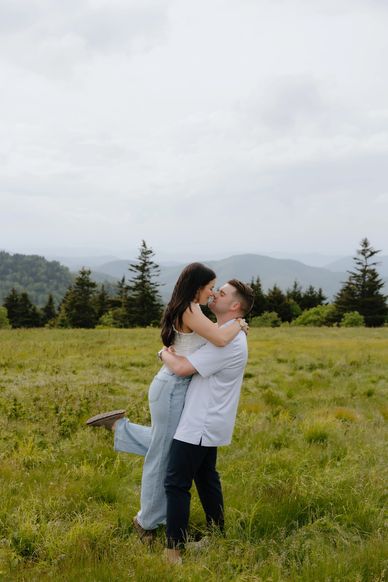
If you want candid shots of you laughing while you fumble with the rings, you want a documentary approach. If you want a dramatic portrait of the two of you against a mountain sky, you want editorial. The best photographers can blend both, but they will lean one way. Look at their portfolios carefully. Do the images feel like a story or like a series of portraits? That will tell you what you are getting.
Planning the timeline together
One of the biggest advantages of eloping is that you control the schedule. But that freedom can backfire if you do not plan the photography window carefully. The light changes fast, especially in the mountains or near water. A photographer who knows the area can tell you when the best light will hit your chosen spot. They can also warn you about common pitfalls: midday sun that creates harsh shadows, bugs at dusk, crowds at popular overlooks.
I have seen couples schedule their ceremony for noon because it was convenient for the officiant, only to end up with flat, washed-out photos. A good photographer will push back on that. They will say, "Let us move it to 4 p.m.," and explain why. That kind of advice is priceless. When you are looking at elopement photography services, ask if the photographer offers a planning session before the day. Some include it in the package. Others charge extra. Either is fine, but you want it.
What is included in the package
Elopement packages vary widely. Some photographers offer a short session of two hours. Others will stay for half a day or more. Some include a second shooter. Others work alone. Some deliver a handful of edited images. Others give you the full gallery. The key is to match the package to your day. If you are eloping at a courthouse with just a witness, two hours is plenty. If you are hiking to a remote spot, spending time there, and then having a small dinner after, you need more coverage.
Also ask about the editing style. Some photographers deliver bright, airy images. Others go dark and moody. There is no wrong choice, but you should see a full gallery from a recent elopement, not just the highlights. That will show you the consistency of their work. A photographer who only shows you the best ten images from every shoot might be hiding uneven results. A full gallery reveals the truth.
The value of local knowledge
If you are eloping somewhere you have never been, you are relying on your photographer to know the area. They should know which trails are open, which require permits, and which have parking limitations. They should know where the light falls at different times of year. They should have backup locations in case of rain. This is especially important in places like the Tri-Cities region, where the weather can change quickly and the best spots are often hidden down a gravel road.
I once helped a friend plan an elopement in the mountains near Johnson City. The photographer we hired had shot there before, and she told us the spot we had picked online was actually a popular swimming hole, not a quiet ceremony site. She suggested a different location ten minutes away that was just as beautiful but completely private. That local knowledge saved the day. When you evaluate a photographer, ask how many elopements they have shot in the area you are considering. If the number is low, ask how they would handle the unknowns.
Making the day feel like yours
At its best, elopement photography is not about documenting an event. It is about preserving a feeling. The best photographers understand that. They will ask you what matters most: the vows, the landscape, the quiet moments between. They will work with you to create a flow that feels natural, not rushed. They will respect your privacy and your pace. That is hard to find, but it is worth looking for.
.jpg/:/cr=t:0%25,l:0%25,w:100%25,h:100%25/rs=w:388,cg:true)
When you finally find a photographer who gets it, the images will remind you not just of the place but of how you felt standing there. That is the whole point. And that is why taking the time to choose the right elopement photography services is one of the most important decisions you will make for your day.
Captures by Chloe Kingsport Photographer, located at 5613 Carters Vly Rd, Church Hill, TN 37642, USA, offers portrait and event photography services including weddings, family portraits, and real estate photography, and can be reached at +1 423-302-0594.
Connect with us on Pinterest.